
This article looks at why experiences so often mean more than physical gifts, what the research says about it, and how to choose an experience someone will genuinely never forget.
The Short Answer
Experiences tend to mean more than physical gifts because they create emotional memories, and emotional memories grow more valuable over time while objects lose their novelty. A gift is enjoyed most on the day it is opened and then fades into the background. An experience becomes a story you carry with you, often shared with someone else, which strengthens both the memory and the relationship behind it.
Why We Remember Experiences More Than Things
Memory is emotional. We hold on to moments that made us feel something, and we quietly let go of the ones that did not. A physical gift, however thoughtful, is usually a single object sitting quietly in the background of your life. An experience is a sequence of moments, often charged with anticipation, surprise, laughter or connection, and those feelings are exactly what memory latches on to.
There is also the matter of storytelling. Experiences give us something to tell. Nobody recounts the evening they were handed a gift card, but people happily retell the trip that went sideways, the concert they will never forget, the meal that lasted half the night. Every retelling deepens the memory a little more. Over time, nostalgia does the rest, softening the rough edges and turning the experience into something we treasure.
Researchers who study happiness have looked closely at this. A well-known line of work in psychology found that people derive more lasting satisfaction from spending on experiences than on possessions, partly because we adapt quickly to new things but stay emotionally connected to what we did. You get used to a new gadget within weeks. You rarely get used to a memory.
Physical Gifts Fade, Memories Grow
The trouble with most physical gifts is novelty. The moment you unwrap something new, it is at its most exciting, and from there the excitement only fades. The watch becomes just a watch. The gadget becomes just another thing on the shelf. This is not a flaw in the gift; it is simply how we relate to objects. They settle into the background of daily life and stop being noticed.
Experiences work in the opposite direction. On the day itself an experience might be wonderful, but its value often grows afterwards, as it becomes a memory, then a story, then a shared reference point you return to for years. Think of a birthday spent doing something out of the ordinary, a holiday that still makes you smile, an anniversary that turned into a story the whole family knows. The moment ends, but the memory keeps paying you back.
Expert tip: the easiest way to feel this difference is to look back. Try to remember three gifts you received five years ago. Most people struggle. Now try to remember three memorable days from the same period. They usually arrive instantly, in full colour. That gap is the whole argument in a single exercise.
 Source: envato.com
Shared Experiences Bring People Closer
There is one more thing an experience can do that an object almost never can: it can bring two people closer together. Experiences are frequently shared, and shared moments build the connections that relationships are made of. When you do something with someone, you create a memory you both own, a private reference that belongs only to the people who were there.
This is why travelling together, going to a concert, taking a cooking class, sharing a romantic experience or celebrating a milestone side by side tends to matter so much. You are not just enjoying the moment; you are building shared history. Years later, a single phrase, do you remember when, can bring the whole thing rushing back for both of you. Objects rarely create that kind of bond. Shared moments do, and they often become lifelong memories.
The Best Experience Gifts for Every Occasion
Almost any occasion is better marked with an experience than another object, and the options are broader than people often assume.
- Birthdays: a class, a day out, a tasting or an activity built around something they love.
- Anniversaries: a trip away, a special meal or a shared experience that celebrates the relationship itself.
- Weddings: immersive experiences that give the couple, and their guests, a memory and a keepsake to take home.
- Valentine's Day: something you do together rather than something one person unwraps.
- Engagements: a memorable outing to mark the moment, ideally one that produces a keepsake.
- Holidays and celebrations: shared activities that bring people together instead of adding to the pile of presents.
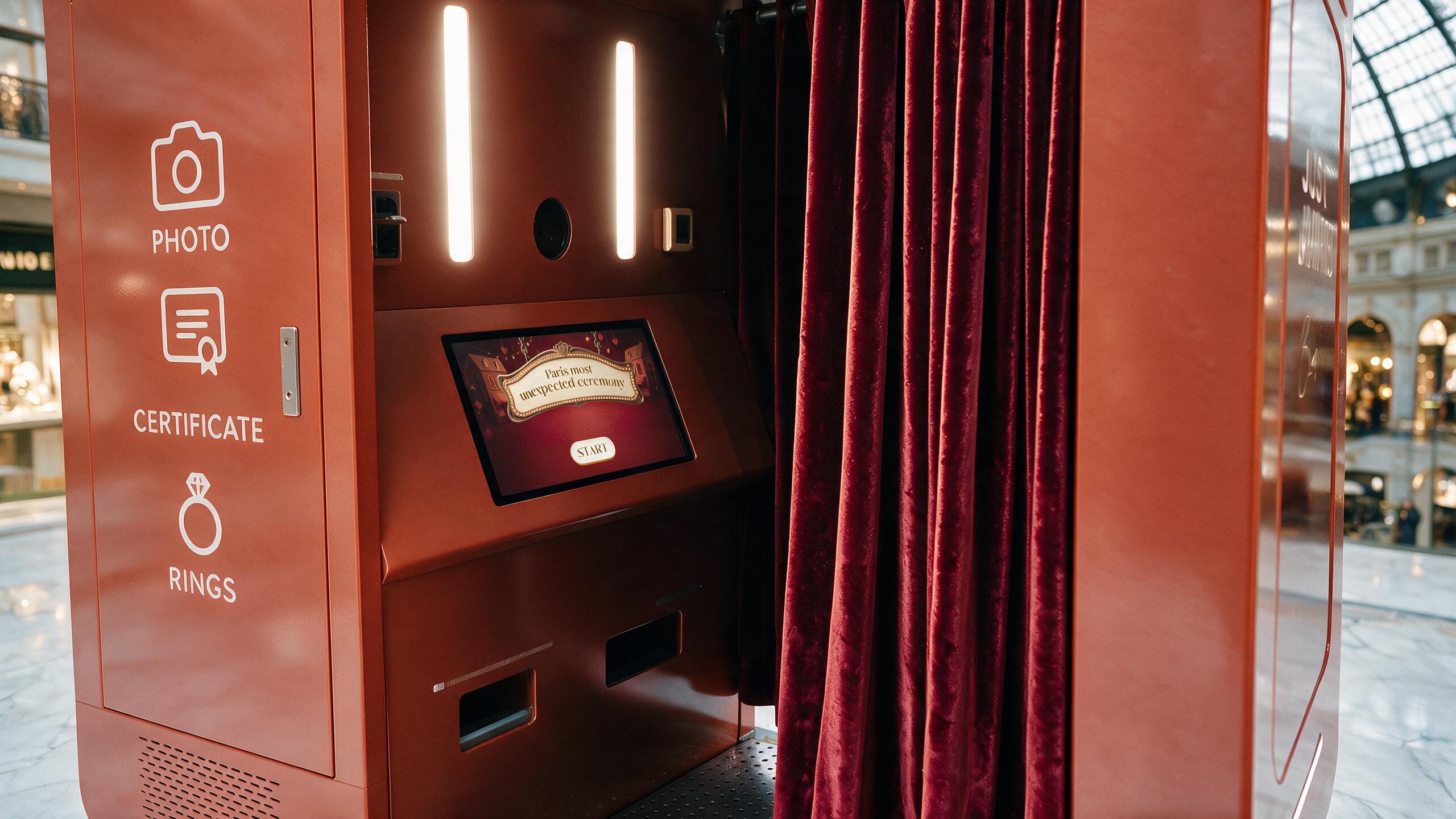
Immersive experiences like Just Married Booth fit naturally into this list, offering couples and celebrations a way to capture a moment and walk away with a keepsake rather than just a memory that lives on a phone. It is one option among many, and the right choice always depends on the person, but it illustrates the wider point: the most memorable gifts are the ones people take part in.
How to Choose an Experience Someone Will Never Forget
Not every experience lands. The ones that do usually share a few qualities, and keeping them in mind makes it much easier to choose well.
- Personalise it: match the experience to who they actually are, not to what sounds impressive.
- Match their interests: the best experience is one they would have chosen for themselves.
- Choose quality over quantity: one memorable experience beats a stack of forgettable gifts.
- Build in a surprise: anticipation and the unexpected are a huge part of what makes a moment stick.
- Capture the memory: experiences that come with a keepsake, such as printed photos or a digital memory, last even longer.
That last point is worth dwelling on. An experience is wonderful in the moment, but one that leaves you with something to hold on to afterwards, a print, a video, a personalised memento, keeps giving long after the day is over. It is the difference between a memory and a memory you can revisit.
Common mistakes when choosing gifts
- Defaulting to an object because it feels safer or easier than planning an experience.
- Choosing something impressive or expensive rather than something personal.
- Ignoring the recipient's actual interests in favour of a generic "nice" gift.
- Overlooking experiences that include a keepsake, which extend the memory well beyond the day.
- Assuming experiences have to be expensive; a thoughtful, well-matched one often costs less than a forgettable object.
The Memories Last Long After the Day Ends
Here is the honest truth about giving: people rarely remember every gift they receive, but they almost always remember how they felt during a meaningful experience. The object fades. The feeling stays. And when you give someone a feeling, a day, a shared moment, a story they get to keep, you are giving them something that keeps its value long after the wrapping paper is gone.
None of this means physical gifts have no place. Sometimes the right present is exactly the object someone has been longing for, and there is real joy in that too. But when you want to give something that will genuinely be remembered, the smart move is to invest in a moment rather than an object. Choose the experience, and you choose to be remembered.
In Summary
Experiences tend to mean more than gifts because they create emotional memories that grow richer over time, while objects lose their novelty. Experiences give us stories to tell, they are often shared in ways that strengthen relationships, and the best of them leave us with a keepsake we can return to. Physical gifts still have their place, but when you want to be remembered, invest in a moment rather than a thing.
Frequently asked questions
Are experiences better than gifts?
For most people and most occasions, experiences tend to create stronger, longer-lasting memories than physical gifts, because they carry emotion and are often shared. That said, physical gifts still have their place; the ideal choice depends on the person and the occasion. As a general rule, if you want to be remembered, an experience is the safer bet.
Why do memories last longer than possessions?
We adapt quickly to new objects, so their novelty fades, but emotional memories tend to grow more valuable over time as we retell and revisit them. Because experiences are tied to feelings and often to other people, memory holds on to them far more strongly than it holds on to things.
What is an experience gift?
An experience gift is something the recipient does rather than owns, such as a class, a trip, a tasting, a concert or an immersive activity. Instead of an object, you are giving a moment, and often a memory that is shared with someone else.
What are meaningful gift ideas?
Meaningful gift ideas usually involve time, connection or a shared moment: a day out built around someone's interests, a trip, a class you take together, or an immersive experience that comes with a keepsake. The most meaningful gifts are personal and create a memory rather than simply adding another object.
Why do shared experiences strengthen relationships?
Shared experiences create memories that both people own, a private reference point that belongs only to those who were there. Doing something together builds shared history, and returning to that memory later reinforces the bond. Objects rarely create that kind of connection.
Give something worth remembering
The most valuable gifts are the ones people remember years later. If you are looking to create lasting memories instead of simply giving another present, consider experiences that bring people together, the kind that leave everyone with a story, and a keepsake, worth holding on to. Just Married Booth is one way to do exactly that, coming soon with more details to be announced.