This guide is about the second kind of trip. Below you will find practical advice for combining the icons with the quieter, more personal moments that actually stay with you, along with a checklist, expert tips and answers to the questions travellers ask most.
How Do You Make a Paris Trip Unforgettable?
To make your Paris trip unforgettable, focus on experiences rather than a checklist of sights. Visit the famous landmarks at quieter times, spend unhurried hours in local neighbourhoods, choose one or two memorable experiences you will still talk about years later, and bring home meaningful keepsakes instead of generic souvenirs. The trips people remember are built from emotional moments, not from how many attractions they managed to squeeze into a day.
Why the Best Trips Are About Memories, Not Checklists
Ask someone what they remember about a holiday they took years ago, and they rarely list the opening hours of a museum or the height of a monument. They remember the meal that went on for three hours, the wrong turn that led somewhere beautiful, the way the light looked over the river. Psychologists who study memory have a name for this: we hold on to moments that carry emotion far more strongly than moments that are simply informative. A monument you glanced at for two minutes fades quickly. A moment that made you feel something tends to stay.
This matters in Paris because the city is almost designed to overwhelm you with things to see. It is genuinely possible to spend four days rushing between attractions and come home exhausted, with the vague sense that you saw a lot but did not really experience any of it. The travellers who leave with the richest memories are usually the ones who did less, but did it more fully.
Paris lends itself naturally to this kind of travel. It is a city that rewards slowness. A single street can hold a bakery, a bookshop, a tiny square and a cafe where nobody will rush you out of your seat. The magic is rarely behind a ticket barrier. It is in the atmosphere, and atmosphere is something you have to give yourself time to feel.
Visit the Icons, But Do Not Stop There
None of this means you should skip the famous landmarks. The Eiffel Tower, the Louvre, Notre-Dame, Montmartre and the Seine are famous for a reason, and there is real joy in seeing them in person for the first time. The mistake is treating them as the whole trip rather than the backdrop to it.
The Eiffel Tower is worth seeing more than once, in different light. The Louvre holds far more than the handful of paintings the crowds cluster around, and wandering its quieter wings can be more rewarding than fighting your way to the most famous ones. Notre-Dame and the surrounding Ile de la Cite reward a slow walk rather than a quick photo. Montmartre still has the winding, village feel that drew artists to it a century ago, if you climb past the busiest corners. And the Seine ties the whole city together, best appreciated on foot along its banks or from the water.
Expert tip: visit the big landmarks either early in the morning or around sunset. The crowds are thinner, the light is far more flattering, and the whole experience feels calmer and more personal. An hour at the Eiffel Tower at eight in the morning is worth three in the middle of a packed afternoon.
 Source: envato.com
Experience Paris Like a Local
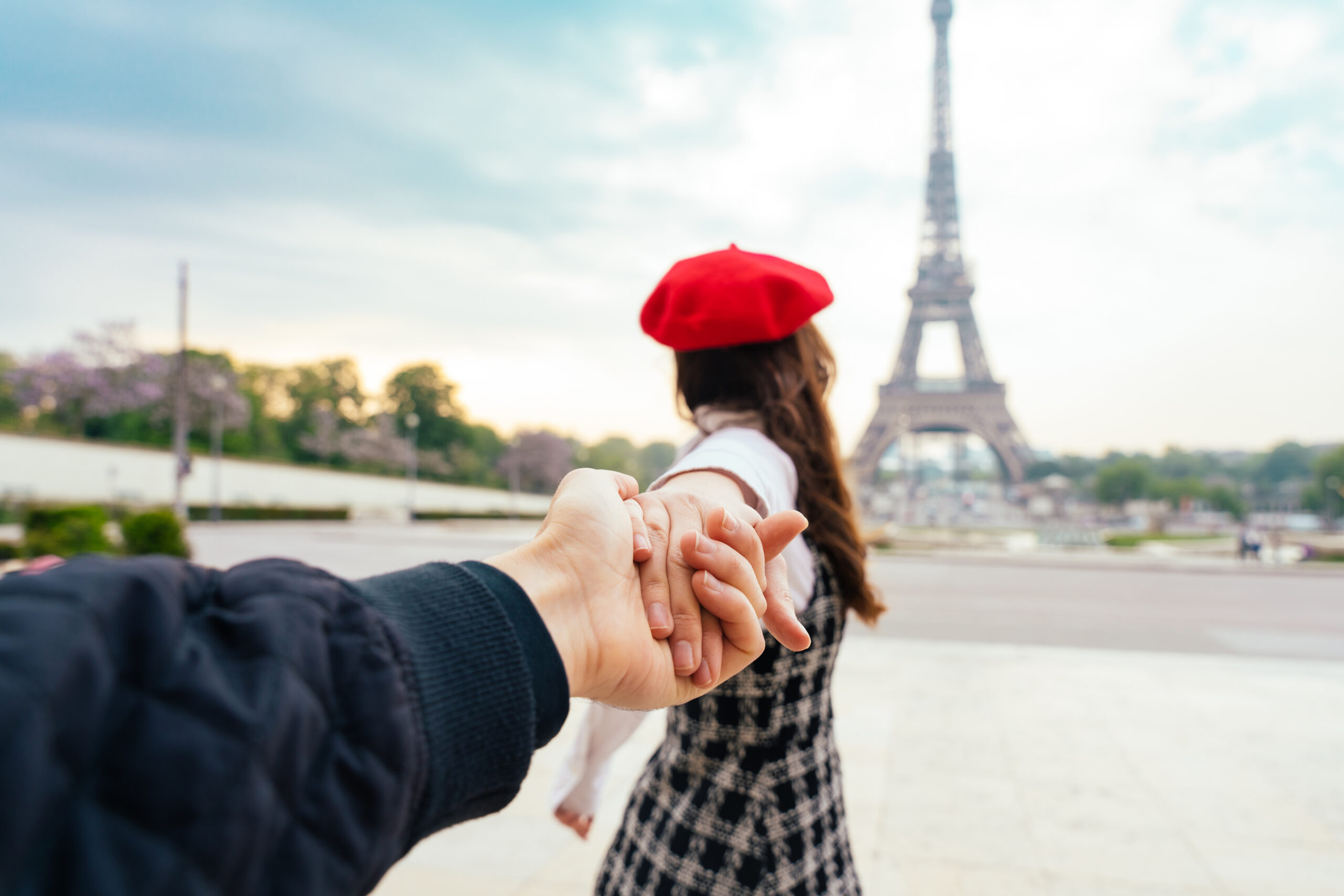
The fastest way to stop feeling like a tourist is to slow down to the pace of the people who live there. Parisians do not sprint between attractions. They linger over coffee, walk without a fixed destination and treat everyday rituals, a morning pastry, an afternoon glass of wine, an evening stroll, as things worth doing properly.
You can borrow this rhythm easily. Start your morning in a neighbourhood cafe rather than a chain, order at the counter, and watch the street wake up. Buy your bread from a local bakery and eat it warm. Wander through a food market with no plan beyond seeing what looks good. Pick a district and explore it on foot, letting the quiet streets pull you off the main routes.
A few neighbourhoods make this especially easy. Le Marais rewards aimless wandering with its narrow medieval streets, independent shops and hidden courtyards. Saint-Germain-des-Pres carries the literary, cafe-culture history of the Left Bank, ideal for a slow afternoon. And Canal Saint-Martin, away from the main tourist beat, is where locals actually spend their weekends, lining the water with picnics as the sun goes down.
Choose Experiences You Will Remember Forever
If there is one decision that shapes how memorable a trip feels, it is choosing to build it around experiences rather than attractions. An attraction is something you look at. An experience is something you take part in, and taking part is what turns a place into a story you tell later.
Paris offers no shortage of these. A sunset cruise along the Seine turns the city into a moving picture. A hands-on cooking class sends you home able to recreate a taste of the trip in your own kitchen. A wine tasting teaches you to notice what you are drinking. An artist workshop in Montmartre connects you to the creative history of the neighbourhood. And a new generation of immersive, AI-powered experiences is giving travellers fresh ways to capture and personalise their memories rather than simply photographing them.
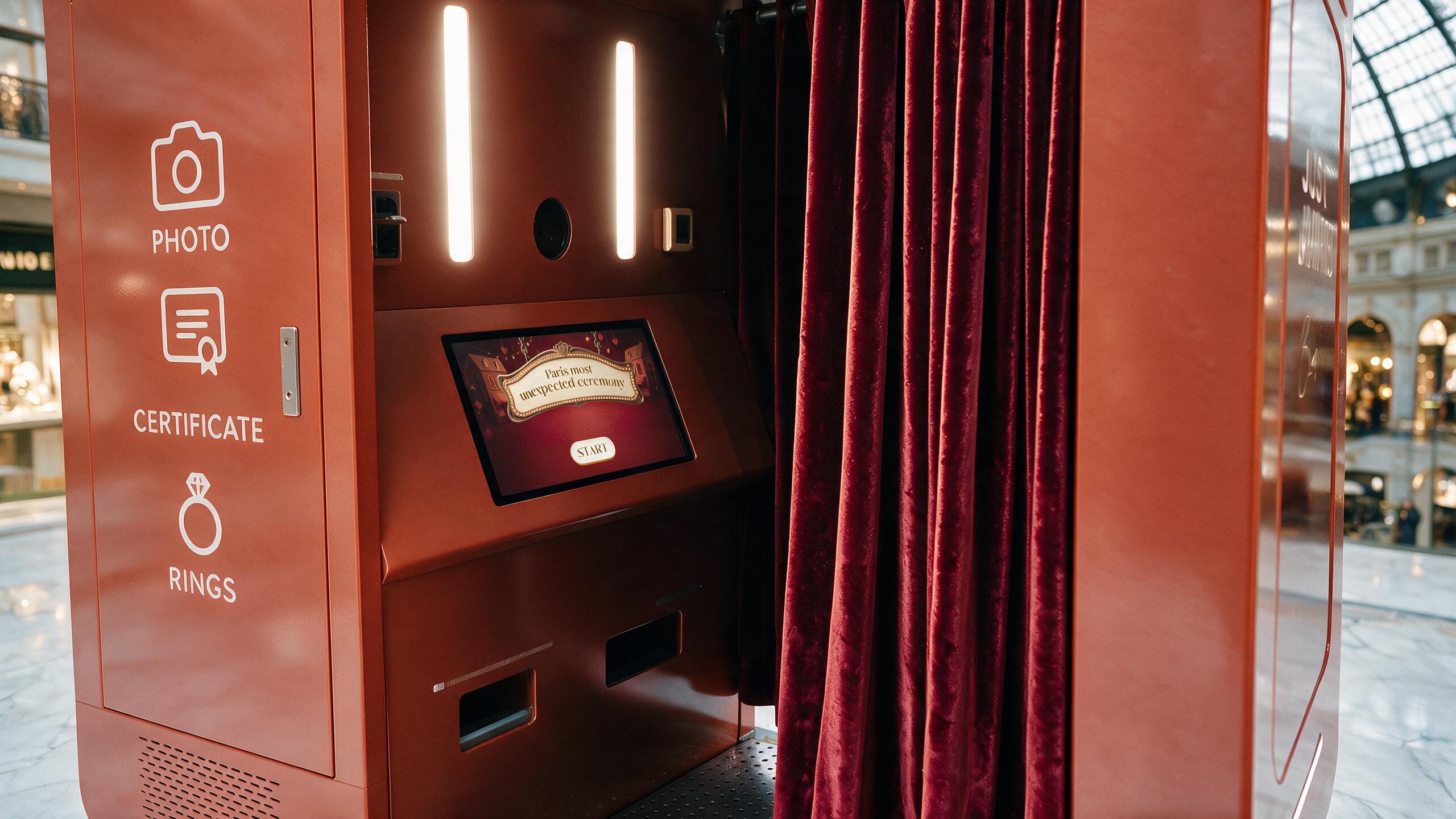
Just Married Booth is one example of this new wave of experiences, designed to turn a moment into a keepsake you actually want to hold on to rather than a photo that gets lost in your camera roll. It is coming soon to Paris, with locations to be announced ahead of launch, so it is one to keep an eye on if you like the idea of a memory you can take home in your hands.
The reason these experiences matter is simple: they become the stories you tell when you get back. Nobody comes home and describes the queue for a museum. They describe the evening on the river, or the dish they learned to cook, or the unexpected thing they tried. Those are the moments that make a trip feel like yours.
Take Home More Than Souvenirs
Most souvenirs are forgotten within a year. The fridge magnet, the mass-produced keyring, the miniature tower, they rarely carry any real memory because they were never part of one. A far better approach is to bring home things that are tied to something you actually did or felt.
Printed photographs are one of the simplest examples. In an age where every image lives on a phone and is rarely looked at again, a physical print you can hold, frame or stick on the fridge carries surprising emotional weight. The same goes for short videos of a moment, a personalised keepsake from an experience you took part in, or a small object that is genuinely connected to a memory rather than bought at random.
There is a good reason these emotional souvenirs outlast the shop-bought kind. Objects lose their novelty quickly, but anything attached to a strong feeling tends to grow more valuable over time, not less. The keepsake becomes a doorway back to the moment. That is worth far more than another trinket destined for a drawer.
Leave Space for the Unexpected
Here is something worth remembering when you plan: some of the best travel memories cannot be planned at all. The tightly scheduled trip, where every hour is accounted for, leaves no room for the happy accidents that so often become the highlight. A trip with a little breathing space in it almost always turns out richer.
Leave gaps on purpose. Give yourself an afternoon with nothing booked and see where the streets take you. Follow the sound of live music drifting out of a doorway. Duck into a neighbourhood cafe just because it looks inviting. Find a quiet spot to watch the sunset instead of chasing the next sight. Say yes to a conversation with a local. These are the moments you cannot buy a ticket for, and they are often the ones you remember most clearly.
Top 10 tips for an unforgettable Paris trip
- Visit famous landmarks early in the morning or at sunset to avoid crowds and catch the best light.
- Do less, but do it fully; a slower trip almost always feels richer than a rushed one.
- Spend at least half a day in a neighbourhood rather than only visiting attractions.
- Eat where locals eat: independent cafes, bakeries and markets over chains.
- Build the trip around one or two experiences you will still talk about later.
- Bring home a meaningful keepsake, such as a printed photo, rather than a generic souvenir.
- Leave unscheduled time in your itinerary for happy accidents.
- Explore on foot whenever you can; Paris reveals itself between the landmarks.
- Watch at least one sunset from a spot you found yourself.
- Pay attention to how a place makes you feel, not just how it looks in a photo.
Common mistakes to avoid
A few habits quietly ruin otherwise wonderful trips. Being aware of them is half the battle.
- Overpacking the itinerary so tightly that every day feels like a race.
- Only ever visiting the busiest, most photographed spots and skipping the quiet neighbourhoods.
- Experiencing the city through a phone screen instead of looking up.
- Buying generic souvenirs on impulse rather than keepsakes tied to a real memory.
- Refusing to leave any room for spontaneity.
- Trying to see everything, and truly experiencing none of it.
Create Your Own Paris Story
The most unforgettable trips are not the ones that check the most boxes. They are the ones that feel personal, a mix of the famous sights everyone should see at least once and the private moments that reflect who you are and how you like to travel. Two people can visit the same city in the same week and come home with completely different memories, and that is exactly the point.
So see the icons. Climb the tower, walk the galleries, cross the bridges. But leave plenty of room for the wine bar you stumbled on, the street musician who made you stop, the keepsake that still makes you smile. Unforgettable trips are built from meaningful moments, not busy itineraries, and the story you bring home is entirely yours to write.
The Bottom Line
Making your Paris trip unforgettable comes down to a simple shift in mindset: prioritise experiences and emotions over a checklist of sights. See the icons at quieter times, slow down into local neighbourhoods, choose one or two experiences worth remembering, collect keepsakes that carry real feeling, and leave space for the unexpected. Do that, and you will come home with a trip that feels like yours rather than a copy of everyone else's.
Frequently asked questions
What should I not miss in Paris?
The Eiffel Tower, the Louvre, Notre-Dame, Montmartre and a walk or cruise along the Seine are the classic must-sees. Beyond the icons, do not miss the chance to spend unhurried time in a neighbourhood such as Le Marais or along Canal Saint-Martin, where the everyday atmosphere of the city is often the most memorable part.
How many days should I spend in Paris?
Three to four full days is a comfortable amount of time to see the main landmarks without rushing and still leave room to explore a couple of neighbourhoods properly. If you can stay longer, you will have more space for the slow, spontaneous moments that make a trip feel special.
What makes Paris so special?
Beyond its famous landmarks, Paris is a city built for lingering. Its cafe culture, walkable neighbourhoods, food, art and riverside setting reward travellers who slow down. Much of what makes it special is atmosphere rather than any single attraction.
What are the best unique experiences in Paris?
Standout experiences include a sunset Seine cruise, a French cooking class, a wine tasting, an artist workshop in Montmartre and newer immersive, AI-powered experiences that let you capture and personalise your memories. The best ones are hands-on, because taking part is what makes a moment memorable.
What should I do besides visiting the Eiffel Tower?
Explore the neighbourhoods on foot, eat at local bakeries and markets, take a cruise or cooking class, watch a sunset from a spot you find yourself, and choose at least one experience you can bring home as a keepsake. The landmarks are worth seeing, but the memories usually come from everything around them.
Ready to make your Paris trip unforgettable?
The most unforgettable trips are built from meaningful moments rather than busy itineraries. If you want to create memories you will cherish for years to come, keep an eye out for experiences designed to do exactly that. Just Married Booth is coming soon to Paris; stay tuned for our official launch and location announcements.